


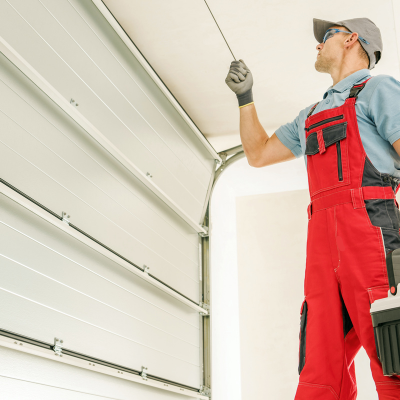
Garage doors take a beating from winter weather. Deceleration caused by frozen locks, moisture, and built-up ice results in sticky, creaky, or seemingly immovable doors. One of the easiest yet most helpful preventive measures you can take for these winter problems is to lubricate your garage door. But can lubrication truly end freezing and sticking? The short answer is yes — when practiced appropriately.
Why garage doors freeze and stick in the winter
Freezing temperatures will cause metal parts such as springs, rollers, hinges, and tracks to shrink. Then, overnight, water or condensation from snow and rain can freeze on these parts. This leads to:
- Stiff or jammed rollers
- Frozen hinges and springs
- Loud grinding or squeaking noises
- A garage door that has difficulty closing or opening
If left unattended, these problems can also get worse and cause undue stress to your garage door opener.
How Lubrication Helps Prevent Freezing
The lubricant provides long-lasting protection for all moving parts and dries quickly, repelling dust, dirt, grass, and other contaminants. This barrier prevents water from freezing directly onto metal and reduces the risk of bubbling paint and rust. Benefits include:
- A larger door swing allows for smoother operation in low temperatures.
- Reduced metal-on-metal contact
- Prevention of the formation of ice in critical parts
- Lower wear in winter operation
A door that doesn’t stick or get stuck in the cold because it was well-varnished
The Best Lubricants for Winter Garage Door Care
When temperatures plummet, not all lubes will do. Try to avoid heavy oils as they harden in winter conditions and collect dirt. Instead, use:
- Silicon spray lube – Great for keeping moisture away and freeze-free guarding
- White lithium grease – Good for springs and hinges under cold conditions
- Don’t use WD-40 as your long-term lubricant; it is a solvent that will evaporate.
Lubricating the Key Garage Door Components
To avoid the problem of freezing, hoist these essential parts off the ground:
- Rollers (especially metal rollers)
- Hinges
- Springs
- Bearings
- Tracks (lightly—dust them off a bit rather than overly-lubricating)
Be sure to wipe off excess lube afterward and keep your chain clean, so it doesn’t collect dirt and grime.
How Often Do You Lubricate Your Garage Door?
It is best to oil your garage door in late fall, just before freezing temperatures set in. In really cold or snowy areas, a mid-winter touch-up can help keep things running smoothly.
When to Call a Professional
If you lubricate the pivots and bearings on your garage door, but it still sticks or freezes when opening and closing, there is probably another problem with your door. Having your system professionally inspected and maintained can help you avoid costly repairs and ensure safe operation during the winter.
Trust Portes Garage Doors for Winter Care and Maintenance
Winter weather is brutal on your garage door and opener. Our professional service technicians perform maintenance, lubrication, and repairs to keep your door reliable all season.
Call Portes Garage Doors now to book your winter garage door service and keep the freezing, sticking, and frustrating little surprises at bay.